
Protecting Your Pet Through Dhaka's Summer Heat and Monsoon Season
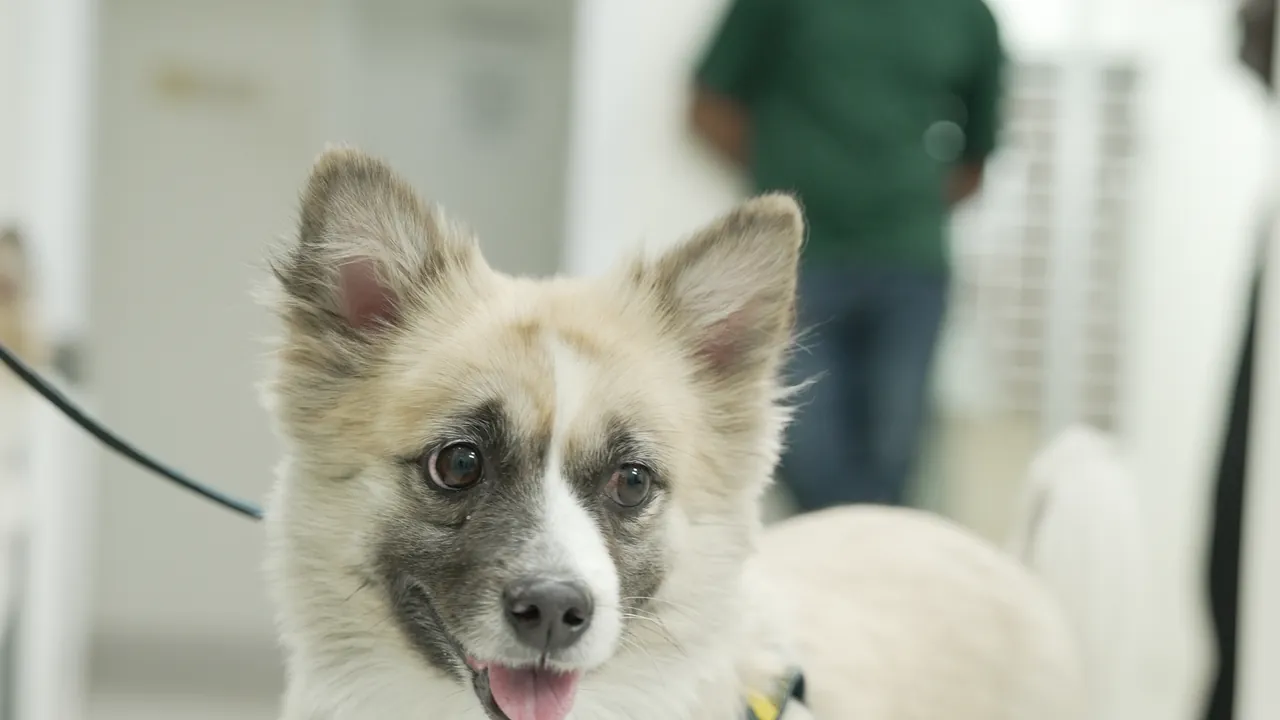
Dhaka's climate creates two distinct risk windows for pets each year: extreme heat and humidity through the summer months, and standing water, mud, and parasite exposure through the monsoon. Both are largely preventable with a bit of planning.
Heatstroke Risk
Dogs and cats cool themselves far less efficiently than humans — they rely mainly on panting, not sweating. Short-nosed breeds (pugs, bulldogs, Persian cats), overweight pets, and senior animals are at the highest risk.
- Avoid walks and outdoor time during peak heat (roughly 11am–4pm)
- Always have fresh water available, and check it more than once a day
- Never leave a pet in a parked car, even briefly, even with windows cracked
- Watch for heavy panting, drooling, weakness, vomiting, or collapse — these need immediate veterinary attention
Monsoon-Season Risks
Standing water and waterlogged streets increase exposure to ticks, fleas, and the diseases they carry, as well as leptospirosis — a bacterial infection spread through water contaminated by rodent urine, which affects both pets and humans.
- Keep up with tick and flea prevention year-round, not just in summer
- Avoid letting pets drink from or wade through standing floodwater where possible
- Dry paws and coat thoroughly after walks in wet weather to prevent fungal skin infections
- Ask your vet whether leptospirosis vaccination makes sense for your pet's lifestyle
When Seasonal Symptoms Need a Same-Day Test, Not a Wait-and-See
Lethargy, fever, loss of appetite, or vomiting during these seasons can be early signs of tick-borne disease, leptospirosis, or heat-related organ stress — all of which are far more treatable when caught with bloodwork early rather than after symptoms progress.
Have a question about your pet's health, or think it's time for a checkup? Our team at Precise Pet Lab is here to help. See our emergency & critical care, or book directly below.
Book an appointment